Laminate
$1–4/sqftBedrooms, living rooms, budget refreshes
The most floor per dollar — realistic wood looks, click-lock install, water-resistant options.

Flooring Studio
Every floor. Your room. Before you buy.
Your in-home flooring expert · free
The advice a good installer gives at your kitchen table — which floor fits your life, how much to buy, what it honestly costs — plus a photoreal look at it in your own room. Then the exact products, priced live.
~15 s
photo to new floor
234
floors priced live
$0
and no sign-up
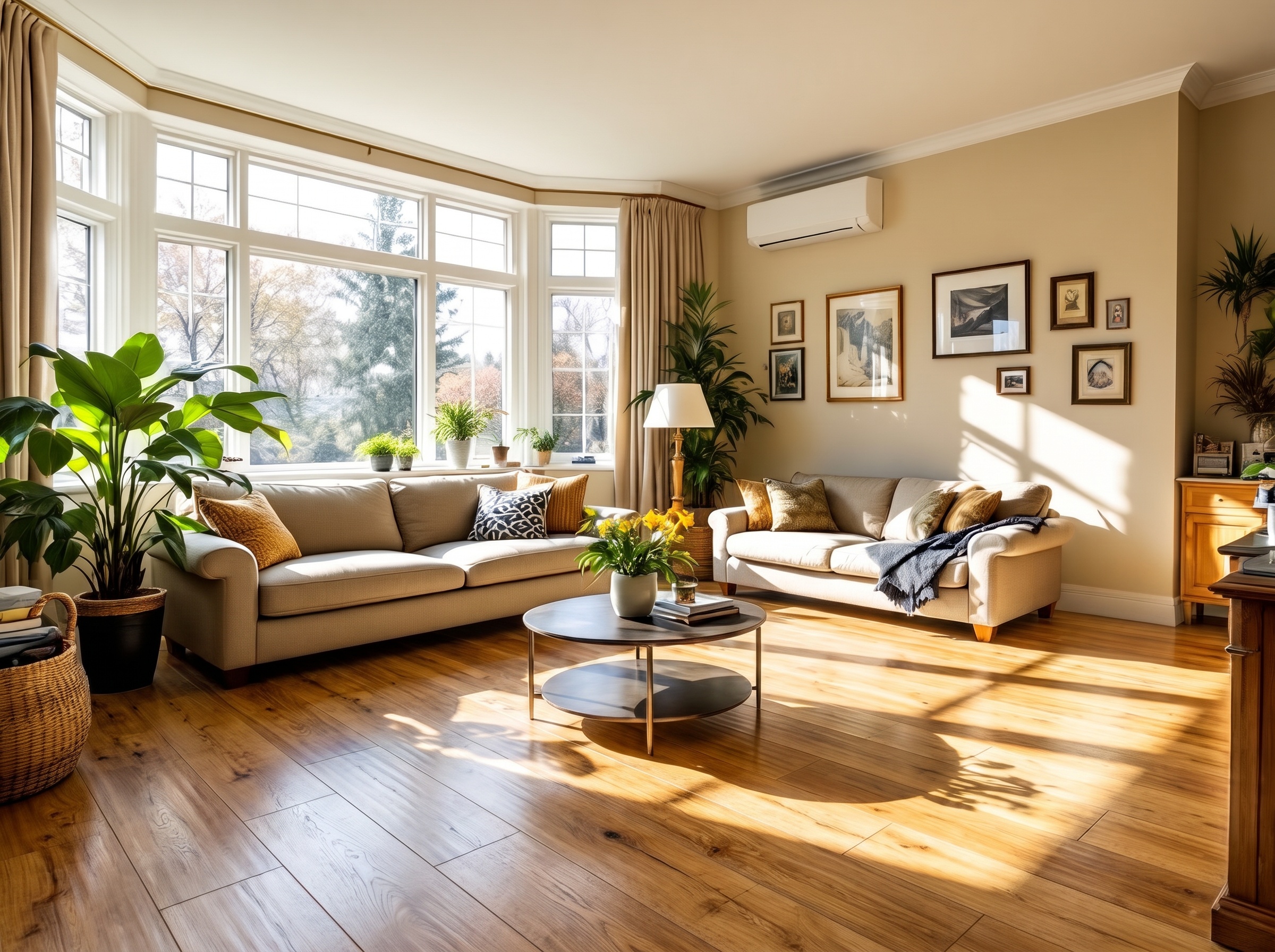
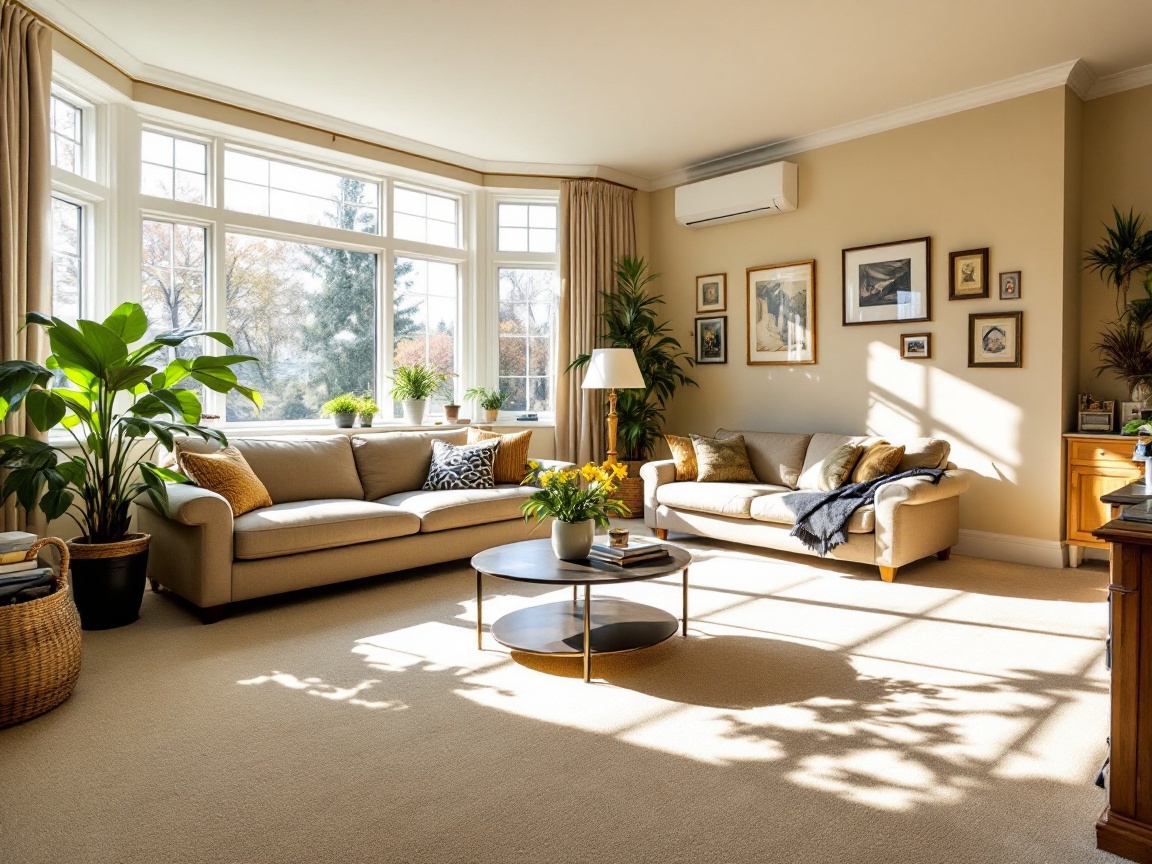 Before
Meet Flora · your AI flooring designer
The same call an honest installer makes — moisture first, then budget, then style.
Which room?
Pets or young kids?
The look you want
Budget
Answer the four questions and the recommendation appears here — with the reasons, not just a name.
Six styles, six spaces — each one re-floors live with any material below.
Your room goes here.
Pick a scene or upload a photo — then lay any floor in it. The math and the products are as real as the picture.
300 sqft · Engineered hardwood · trim ≈ 70 lf · materials only
324 sqft — 300 sqft × 1.08 cut waste
324 sqft — same coverage as the flooring (324 sqft)
70 lf — perimeter ≈ 4×√300 sqft — adjust for your room shape
3 ea — one per doorway (3)
Materials only, national range, 2026-07 — not a quote. Excludes installation labor, subfloor prep and leveling, furniture moving, old-floor removal and haul-away, delivery and tax. Every verified match ships from superarbor.io nationwide; delivery cost and timing at checkout.
⚠ Let planks acclimate 48 hours in the room before installation.
⚠ Concrete subfloors need a moisture test before any wood-family floor goes down.
Renders are AI visualizations for decision-making — verify with samples before ordering. Free · no login · by Super Arbor.
For contractors & builders
Add every room, and the waste, trim, transitions, and stairnose math is done with the formulas shown — a materials list your client can check.
Every line matches verified in-stock products at superarbor.io with today's prices — show the client the render and the receipt in the same breath, and buy from the same page.
One click sends the render plus the itemized estimate to you or your client. Installation booking is on the roadmap — today the studio hands your installer the exact list.
The honest buying guide
Bedrooms, living rooms, budget refreshes
The most floor per dollar — realistic wood looks, click-lock install, water-resistant options.
Kitchens, baths, basements, pets
Fully waterproof rigid core that shrugs off spills and claws, warm and quiet underfoot.
Living spaces where real wood matters
A genuine hardwood wear layer over a stable core — real wood underfoot, less movement than solid.
Eco-minded, high-traffic rooms
Rapidly renewable and harder than oak in strand-woven form.
Wet areas, entries, radiant heat
Waterproof, wear-proof, and happy over heated floors — grout is the maintenance to plan for.
Bedrooms, media rooms
Softest and quietest underfoot. Not yet stocked at Super Arbor — the studio prices it with national ranges and says so honestly.
Materials-only national ranges, July 2026 — installation labor and delivery excluded. The studio above prices your exact rooms.
The answer library
The questions that decide the whole project — answered the way an honest installer would.
Materials-only national ranges (July 2026): laminate $1–4/sqft, luxury vinyl plank (LVP) $2–5, engineered hardwood $4–9, bamboo $2–6, porcelain or ceramic tile $2–7. A 300 sqft living room in mid-range laminate runs about $324–$1,296 in materials including 8% cut waste. Installation labor, subfloor prep, and delivery are extra.
The honest rule: moisture decides, not looks. LVP is fully waterproof with a rigid core — the safe pick for kitchens, bathrooms, basements, and pet households. Laminate gives the most realistic wood look per dollar and installs the same way, but standing water is still its enemy even in water-resistant versions. Dry bedroom or living room: laminate wins on value. Any room that sees water: LVP.
Waterproof (LVP, tile) means the material itself cannot be damaged by water — a burst pipe soaks it and it survives. Water-resistant (most modern laminate) means spills wiped up within hours won't hurt it, but standing water will eventually swell the core. Marketing blurs this line constantly; the core material doesn't lie.
Laminate: 8mm is solid for homes, 12mm feels quieter and more substantial. LVP: the wear layer is what matters — 12 mil for bedrooms, 20 mil for kitchens, pets, and rentals. Engineered hardwood: a 2mm+ veneer can be refinished once; 4mm+ twice.
LVP with a 20 mil wear layer: claws don't scratch through it, accidents can't soak in, and it's warmer and quieter than tile. Avoid soft solid woods (pine, walnut) and high-gloss finishes that show every scratch.
Tile is the best radiant conductor. Most LVP and laminate are rated to about 80–85°F water temperature — check the specific line's rating. Solid hardwood is the riskiest over radiant; engineered handles it much better.
How much to buy, and what nobody tells you to put in the cart until you're mid-install.
Length × width in feet, per room, then add the rooms up. Closets count. For L-shaped rooms, split into rectangles and sum them. The studio above does this room-by-room, the way a pro walks a job.
Add 8% for straight plank and tile layouts — that's the industry cut-waste standard. Diagonal or herringbone layouts need 12–15%. A 300 sqft room at 8% means buying about 324 sqft.
Every box states its coverage (often 16–24 sqft). Divide your with-waste total by the box coverage and round UP — and keep one unopened box after the job for future repairs; dye lots vary between production runs.
Floating floors (laminate, click-lock LVP, engineered) want it for sound, moisture, and comfort — about $0.30–$0.60/sqft. Some LVP has it pre-attached (check before paying twice). Glue-down and tile use different prep entirely.
Quarter-round or wall-base trim around the perimeter, a T-molding or transition strip at every doorway ($20–60 each), and stairnose for every step ($25–80 each). Stairnose is brand-specific — match it to the exact flooring line, or the profiles won't meet.
The classic rules: parallel to the longest wall, or toward the main light source, or along the main line of sight from the entry. In hallways, always run lengthwise. When rules conflict, the light usually wins.
The mid-project questions that usually end in a frantic search.
Usually yes for floating LVP and laminate, if the old floor is flat (within ~3/16" over 10 ft), solid, and clean — skip the demolition and its cost. Never float a new floor over carpet, and never trap a second vinyl layer under glue-down.
Yes — but run a moisture test first (a taped 2×2 ft plastic square for 24 hours tells you a lot), use a vapor-rated underlayment, and let planks acclimate in the room for 48 hours before the first click.
No — the cleaner look removes and reinstalls them over the new floor, but the honest shortcut is leaving them and covering the expansion gap with quarter-round. Both are correct; one is a day faster.
Felt pads under every furniture leg the same day, walk-off mats at exterior doors, and the manufacturer's cleaner — not steam mops, which void most laminate and LVP warranties.